
The 1024
The 1024, our thanks to humanity
A book of 1,024 literary portraits of the people who came before us, arranged across eight Cathedrals and growing one Cathedral at a time, meant simply as thanks.
The idea
One thousand and twenty-four portraits
One thousand and twenty-four is 2^10: an engineering-native count, and the same number that caps the Fund A partnership. A clean power of two, for a book meant to be built like good software, in the open, over time.
Each portrait is a short, literary appreciation of one historically significant person, written from public knowledge with care. It is published under the Aloha Press imprint and is in active production. Today only the first Cathedral has its roster.
It is a gift, not a product. The hope is that it earns a permanent shelf: the kind of book you keep because it reminds you who you owe.
Eight Cathedrals
Eight disciplines, one act of gratitude
Builders
In production
Architects, sculptors, engineers. Those who shaped the built world - who turned stone, iron, and idea into structures that outlast their makers. The first Cathedral, in production, with Archimedes as its Ace.Makers
Forthcoming
Composers, performers, artists. Those who made beauty and feeling - the music, the performances, and the art that move us across centuries. Forthcoming.Seekers
Forthcoming
Scientists, mathematicians. Those who sought to understand nature and number - the discoverers who mapped how the universe actually works. Forthcoming.Stewards
Forthcoming
Industrialists, inventors, stewards of enterprise. Those who built and tended enterprise - the inventors and industrialists who turned capability into lasting institutions. Forthcoming.Founders
Forthcoming
Statespersons, founders, military leaders. Those who founded and led peoples - the statespersons and leaders whose decisions shaped nations and eras. Forthcoming.Sages
Forthcoming
Philosophers, theologians. Those who thought about meaning - the philosophers and theologians who gave us frameworks for how to live and what to believe. Forthcoming.Witnesses
Forthcoming
Writers, poets, dramatists. Those who bore witness in words - the writers, poets, and dramatists who held up a mirror to the human condition. Forthcoming.Explorers
Forthcoming
Athletes, explorers. Those who pushed the edge of the possible - the explorers and athletes who tested the limits of body, will, and the map. Forthcoming.
The Cathedral of Builders
The first Cathedral, now in production
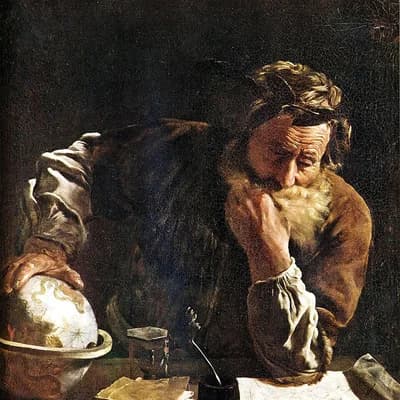
Ace of the Cathedral
Archimedes
c. 287-212 BC
Greek mathematician and engineer of Syracuse whose work on levers, buoyancy, and the measurement of curves anchors the whole discipline.
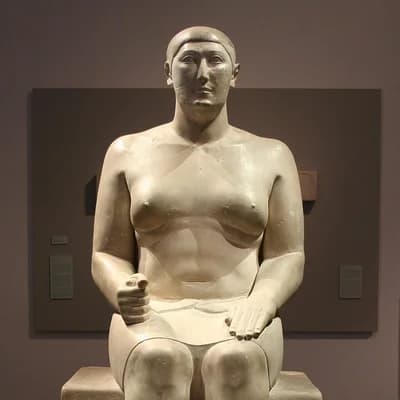
Hemiunu
c. 26th century BC
Egyptian official traditionally credited with overseeing the construction of the Great Pyramid at Giza.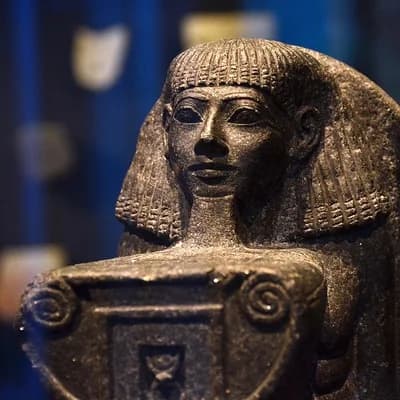
Senenmut
c. 15th century BC
Egyptian architect and steward associated with the terraced mortuary temple of Hatshepsut at Deir el-Bahari.Ictinus
c. 5th century BC
Greek architect regarded as a principal designer of the Parthenon on the Athenian Acropolis.Callicrates
c. 5th century BC
Greek architect associated with the Parthenon and the Temple of Athena Nike in Athens.Mnesicles
c. 5th century BC
Greek architect credited with the Propylaea, the monumental gateway to the Athenian Acropolis.Dinocrates of Rhodes
c. 4th century BC
Greek architect linked to the planning of Alexandria in Egypt for Alexander the Great.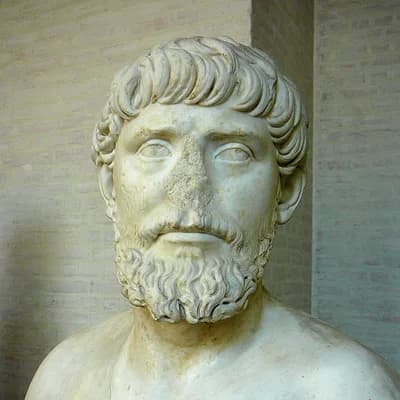
Apollodorus of Damascus
c. 1st-2nd century AD
Architect and engineer of the Roman era, associated with Trajan's Forum, its column, and a bridge across the Danube.Li Chun
c. 6th-7th century AD
Chinese engineer credited with the Anji (Zhaozhou) Bridge, an early open-spandrel stone arch bridge.Yu Hao
c. 10th century AD
Chinese architect remembered for early writing on timber construction and multi-story pagoda building.Li Jie
c. 1065-1110
Chinese architect and official who compiled a foundational state manual of building standards and methods.Ustad Ahmad Lahori
c. 17th century
Architect widely associated with the design of the Taj Mahal in Agra for the Mughal court.Ustad Isa
c. 17th century
Architect named in tradition among those connected with the Taj Mahal's design.Mir Ali Tabrizi
c. 14th-15th century
Calligrapher of the Persianate world, credited in tradition with developing the nastaliq script that shaped monumental inscription.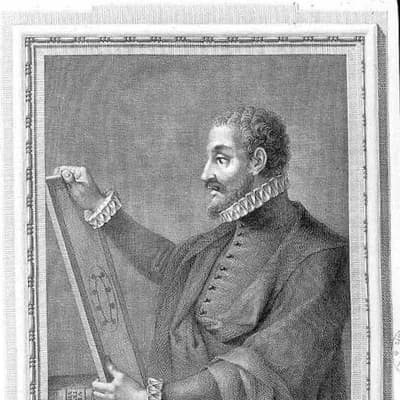
Juan de Herrera
c. 1530-1597
Spanish architect of the austere, geometric El Escorial complex near Madrid.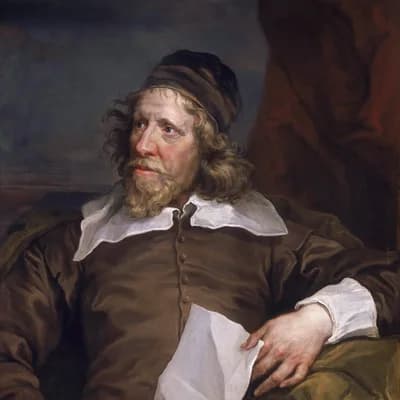
Inigo Jones
1573-1652
English architect who introduced classical Palladian design to Britain, including the Banqueting House in Whitehall.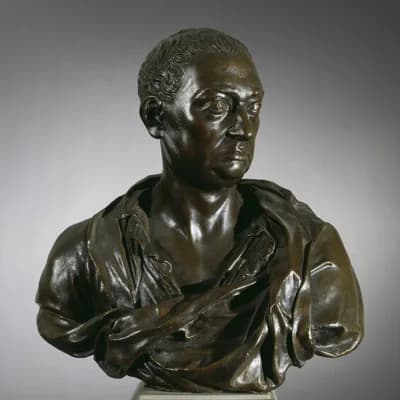
Nicholas Hawksmoor
c. 1661-1736
English Baroque architect known for a series of distinctive London churches.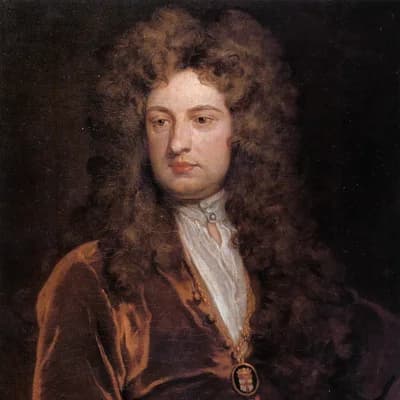
John Vanbrugh
1664-1726
English architect and dramatist behind the monumental Blenheim Palace and Castle Howard.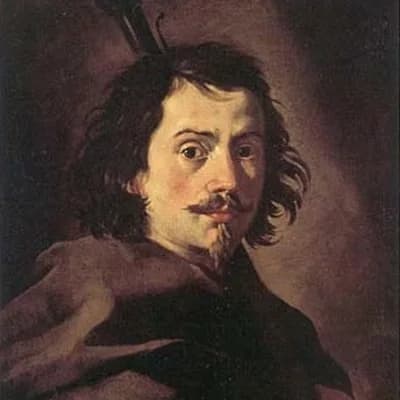
Francesco Borromini
1599-1667
Italian architect whose inventive, curving Baroque churches reshaped the vocabulary of Rome.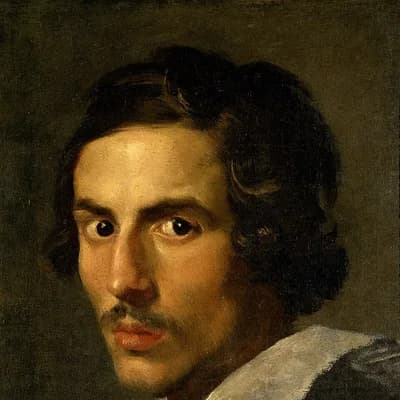
Gian Lorenzo Bernini
1598-1680
Italian sculptor and architect who defined Roman Baroque, from the piazza colonnade at St. Peter's to dramatic marble figures.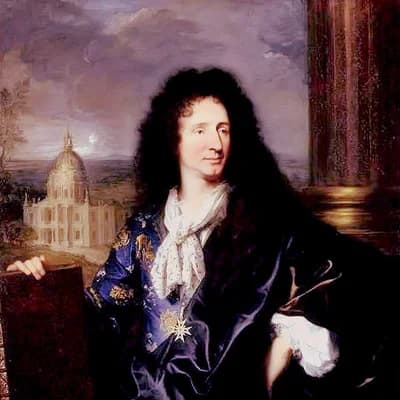
Jules Hardouin-Mansart
1646-1708
French architect who expanded the Palace of Versailles, including its Hall of Mirrors.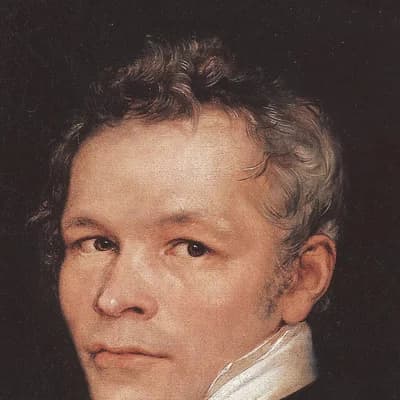
Karl Friedrich Schinkel
1781-1841
Prussian architect whose neoclassical civic buildings shaped the face of Berlin.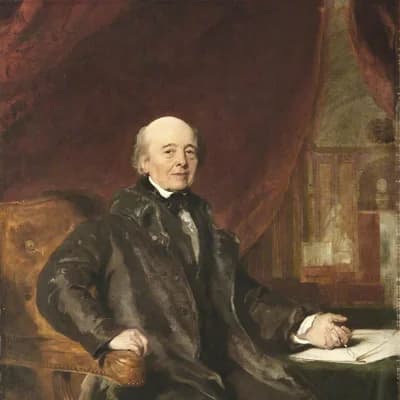
John Nash
1752-1835
English architect who laid out Regency London, including Regent Street and the remodeled Buckingham Palace.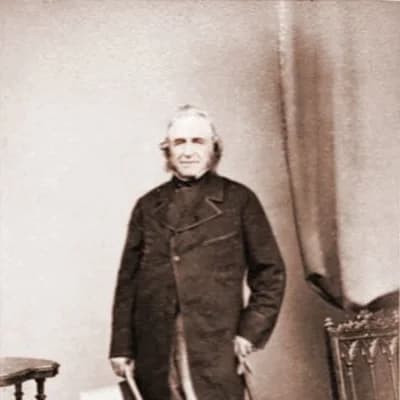
Joseph Paxton
1803-1865
English designer of the Crystal Palace, an early triumph of prefabricated iron-and-glass construction.
Henri Labrouste
1801-1875
French architect who brought exposed iron structure into monumental libraries in Paris.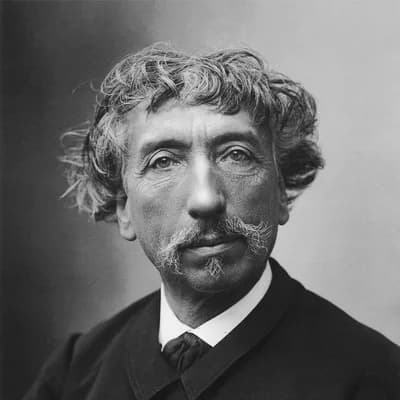
Charles Garnier
1825-1898
French architect of the opulent Palais Garnier opera house in Paris.
Otto Wagner
1841-1918
Austrian architect who helped move Vienna toward a modern, functional urban architecture.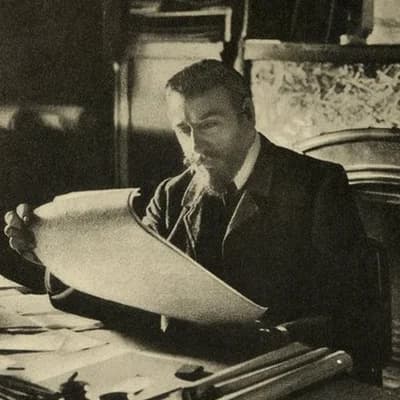
Victor Horta
1861-1947
Belgian architect who pioneered Art Nouveau with flowing iron-and-glass interiors in Brussels.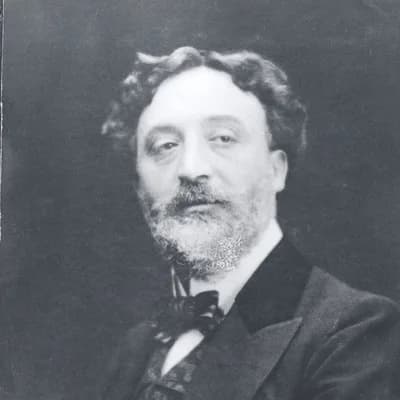
Hector Guimard
1867-1942
French architect famous for the sinuous Art Nouveau entrances of the Paris Metro.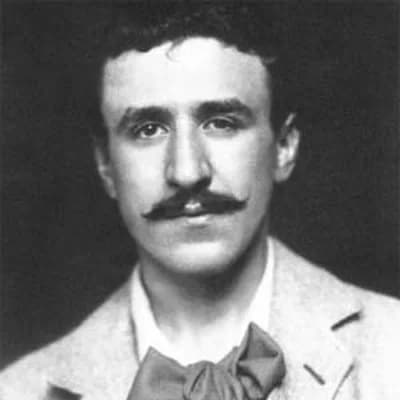
Charles Rennie Mackintosh
1868-1928
Scottish architect and designer whose spare, geometric work centered on the Glasgow School of Art.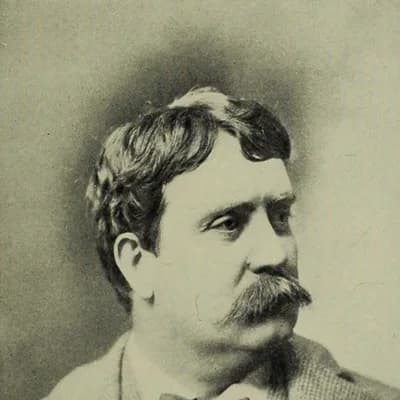
Daniel Burnham
1846-1912
American architect and planner behind early skyscrapers and the 1893 World's Columbian Exposition in Chicago.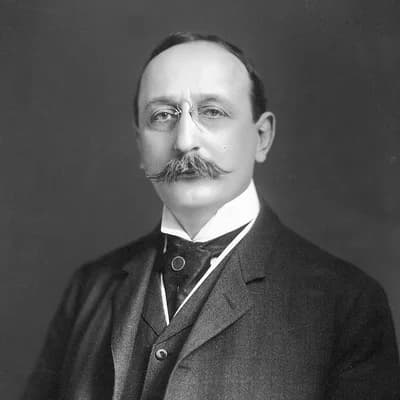
Cass Gilbert
1859-1934
American architect of the Woolworth Building and the United States Supreme Court building.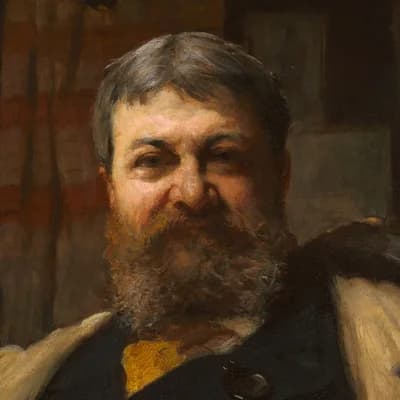
H. H. Richardson
1838-1886
American architect who gave his name to a robust Romanesque revival style of stone civic buildings.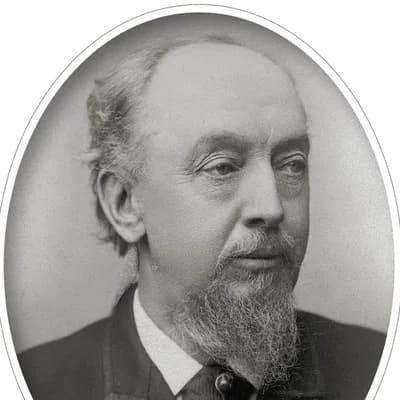
William Le Baron Jenney
1832-1907
American engineer-architect often credited with the first metal-frame skyscraper in Chicago.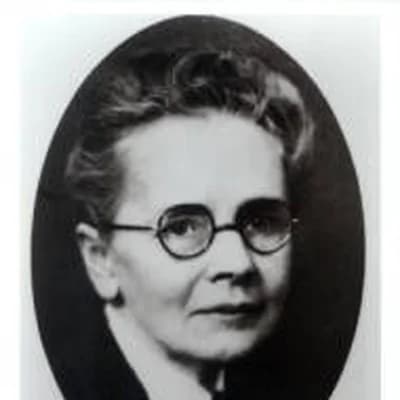
Julia Morgan
1872-1957
American architect of hundreds of California buildings, including Hearst Castle at San Simeon.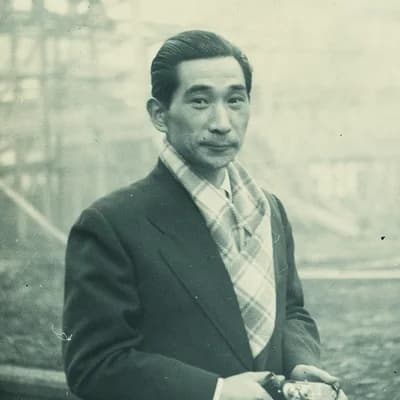
Kenzo Tange
1913-2005
Japanese architect who fused modernism with Japanese form, from Hiroshima's Peace Memorial to Olympic arenas.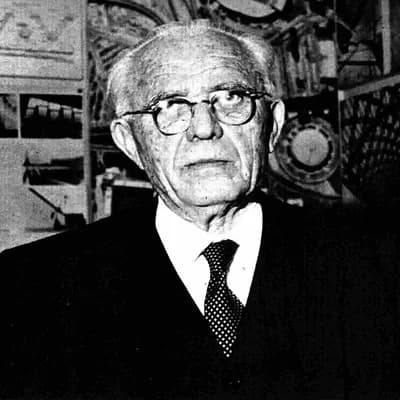
Pier Luigi Nervi
1891-1979
Italian engineer known for expressive, efficient reinforced-concrete stadiums and halls.Jorn Utzon
1918-2008
Danish architect who conceived the sail-like shells of the Sydney Opera House.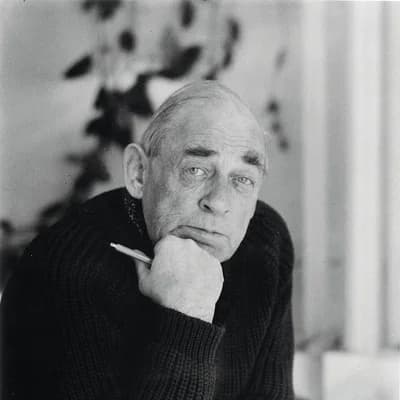
Alvar Aalto
1898-1976
Finnish architect and designer known for humane modernism in buildings and bent-plywood furniture.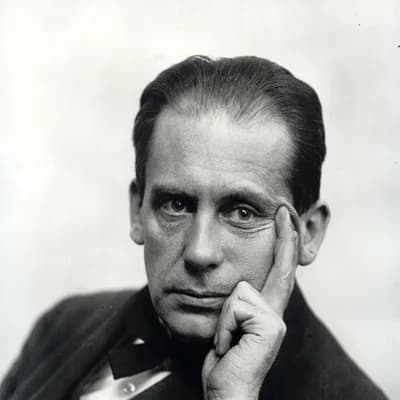
Walter Gropius
1883-1969
German architect who founded the Bauhaus and shaped modern design education.Marcel Breuer
1902-1981
Hungarian-born architect and designer of the tubular-steel chair and bold concrete buildings.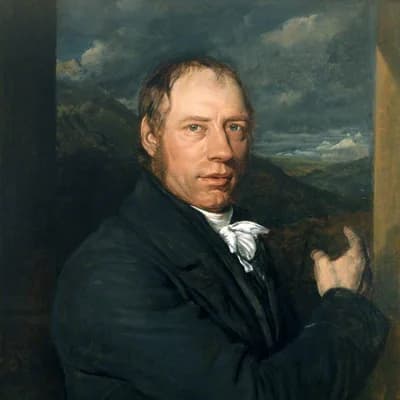
Richard Trevithick
1771-1833
British engineer who built early high-pressure steam engines and a pioneering steam locomotive.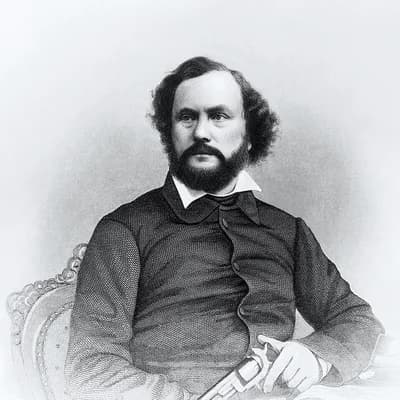
Samuel Colt
1814-1862
American manufacturer who advanced interchangeable-parts mass production of firearms.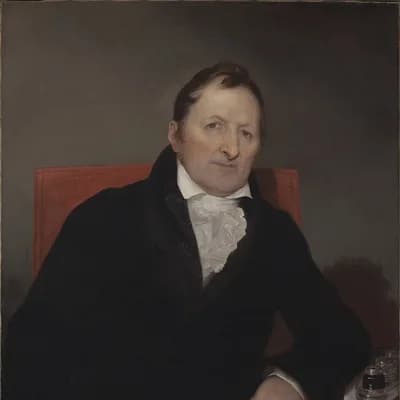
Eli Whitney
1765-1825
American inventor of the cotton gin and an early promoter of interchangeable-parts manufacturing.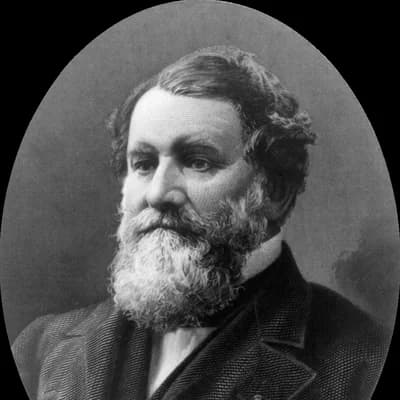
Cyrus McCormick
1809-1884
American inventor who commercialized the mechanical reaper, mechanizing the grain harvest.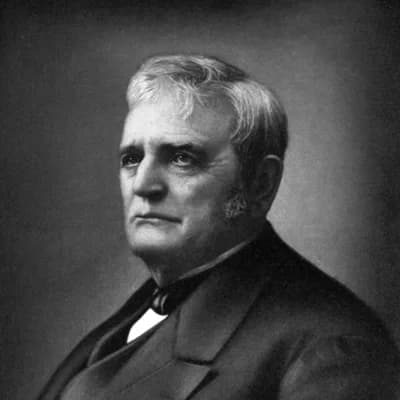
John Deere
1804-1886
American blacksmith who developed the steel plow and founded the equipment company that bears his name.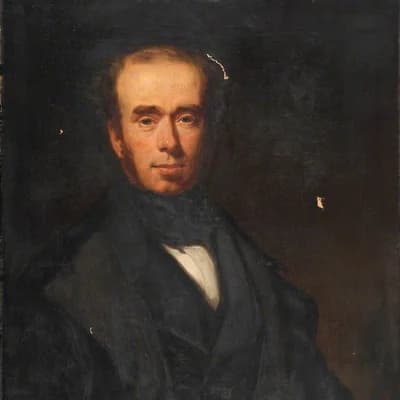
Joseph Whitworth
1803-1887
British engineer who standardized screw threads and advanced precision measurement in manufacturing.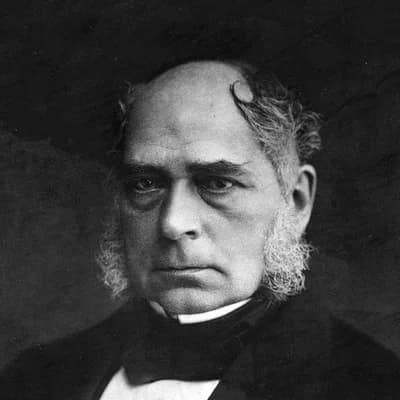
Henry Bessemer
1813-1898
British engineer whose process made mass production of inexpensive steel possible.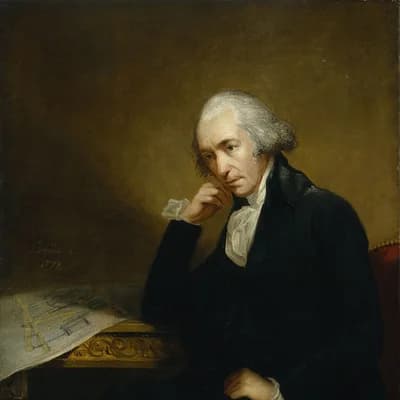
James Watt
1736-1819
Scottish engineer whose improvements to the steam engine helped power the Industrial Revolution.
The 1024 honors these people's public legacies and the gifts their work has given the world. Inclusion implies no affiliation with, endorsement by, or sponsorship by any individual or their estate. Where we are not certain of a date or a fact, we keep the note general rather than assert something we cannot stand behind.
Portrait credits
Portraits are from Wikimedia Commons, cropped to a square. Where no free portrait exists, we show initials.
- Archimedes: Domenico Fetti, Public domain, source
- Hemiunu: Einsamer Schütze, CC BY-SA 3.0, source
- Senenmut: Vassil, CC0, source
- Apollodorus of Damascus: Gun Powder Ma, CC BY-SA 3.0, source
- Juan de Herrera: Mariano Brandi (grabado), José Maea (dibujo), Public domain, source
- Inigo Jones: After Anthony van Dyck / William Hogarth, Public domain, source
- Nicholas Hawksmoor: Henry Cheere, Public domain, source
- John Vanbrugh: Godfrey Kneller, Public domain, source
- Francesco Borromini: Unknown author, Public domain, source
- Gian Lorenzo Bernini: Gian Lorenzo Bernini, Public domain, source
- Jules Hardouin-Mansart: Hyacinthe Rigaud, Public domain, source
- Karl Friedrich Schinkel: Carl Joseph Begas, Public domain, source
- John Nash: Thomas Lawrence, Public domain, source
- Joseph Paxton: Maull & Co., London, Public domain, source
- Henri Labrouste: Unknown author, Public domain, source
- Charles Garnier: Nadar, Public domain, source
- Otto Wagner: Unknown author, derivative work by Afernand74, Public domain, source
- Victor Horta: Gustave Deltour, Public domain, source
- Hector Guimard: Unknown author, Public domain, source
- Charles Rennie Mackintosh: James Craig Annan, Public domain, source
- Daniel Burnham: Unknown author, Public domain, source
- Cass Gilbert: Pach, photographer, Public domain, source
- H. H. Richardson: Hubert von Herkomer, Public domain, source
- William Le Baron Jenney: Unknown author, Public domain, source
- Julia Morgan: Boyé Studio, San Francisco, Public domain, source
- Kenzo Tange: Unknown author, Public domain, source
- Pier Luigi Nervi: Unknown author, Public domain, source
- Alvar Aalto: Unknown author, Public domain, source
- Walter Gropius: Unknown author, Public domain, source
- Richard Trevithick: John Linnell, Public domain, source
- Samuel Colt: John Chester Buttre (1821-1893), Public domain, source
- Eli Whitney: Samuel Finley Breese Morse, Public domain, source
- Cyrus McCormick: George Smillie, derivative work by raeky, Public domain, source
- John Deere: Appletons' Cyclopædia of American Biography (Wilson and Fiske, eds.), Public domain, source
- Joseph Whitworth: Unknown author, Public domain, source
- Henry Bessemer: Unknown author, Public domain, source
- James Watt: Carl Frederik von Breda, Public domain, source

Honest status
Seven Cathedrals still to come
Makers · Seekers · Stewards · Founders · Sages · Witnesses · Explorers
Luiz Andre Barroso, Jim Simons, and Charlie Munger - recently with us - anchor the modern end of the same gratitude. They are honored in full on /gratitude, alongside the current-generation heroes and heroines we learn from.
The 1024 honors humans who have passed. The living heroes we still get to learn from are celebrated on the gratitude page.
Gratitude, one family
The people we honor in four places
Gratitude
Living mentors
The hand-picked people whose values, purpose, mission, and around-the-clock product and customer obsession shape how we work.Community
The 🤫 Champions
Our Apple-ecosystem leaderboard of gratitude: the developers and product owners who make the community better, celebrated from public facts.The 1024
You are here🤫 Aloha Press Project
The flagship 1024 Humans of the World publication, sponsored by Manish Sainani, a book of literary portraits across eight Cathedrals.Humans we celebrate
History's finest
The gallery of historically significant humans that we name every 🤫 release after, each with an openly licensed portrait.
Pass it on
Say thank you, then build
🤫 One is made by Hushh Technologies Corporation: private, sovereign AI that runs on what you own.